For most students, school practicals are the only hands-on physics they get before the exam. A handful of sessions a term, apparatus shared across a group, and barely enough time with any single setup to get comfortable with it. It rarely comes with enough pressure to perform under, either, and that pressure is exactly what Paper 3 and Paper 4 test.
Here is what a Pivot Physics Lab session actually looks like, from setup to takeaway, so you can see the programme before deciding whether it fits.
The Setup: What You Walk Into
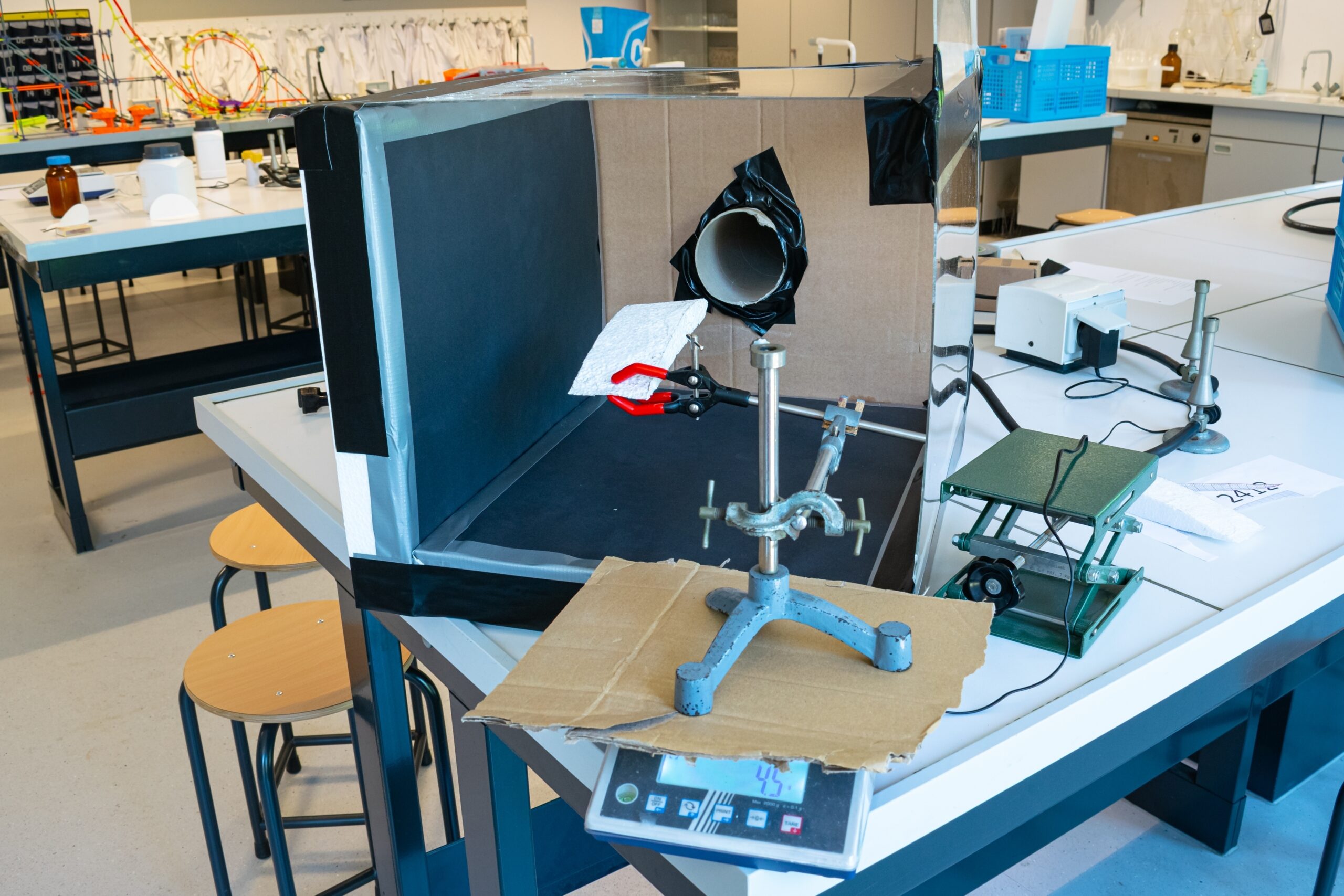
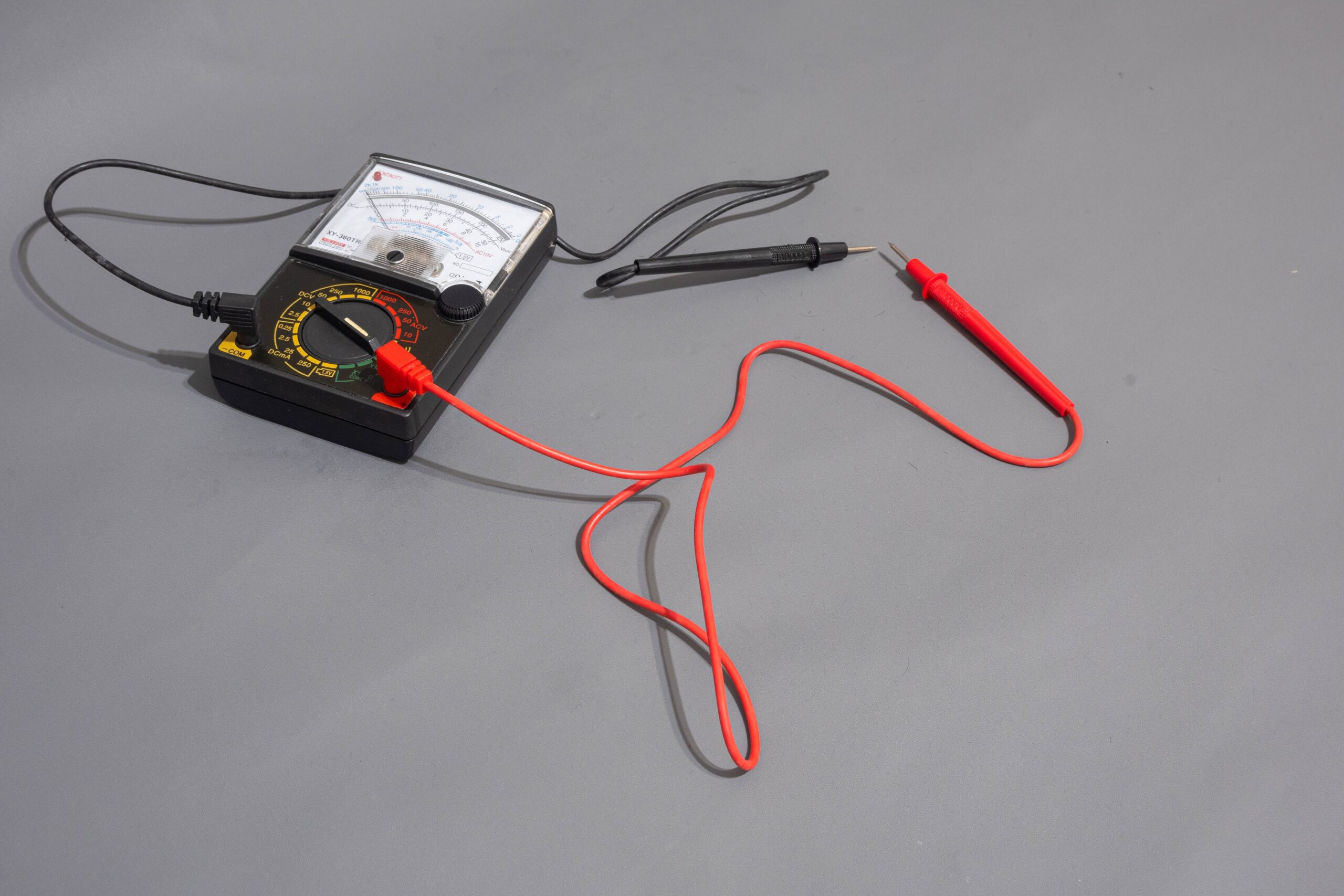
The lab runs out of our tuition centres in Jurong East, Novena, Bukit Timah, and Hougang, equipped with the same apparatus used in O-Level Paper 3 and H2 Paper 4: vernier calipers, micrometer screw gauges, ammeters, voltmeters, ray boxes, retort stands, mass hangers.
Every student works with their own set, not a shared one. Class sizes stay small enough that a tutor can watch each student’s technique in real time and correct it on the spot, not two weeks later on a returned worksheet.
The Two-Hour Structure
The session opens with a short concept briefing: what is being measured, what should be observed, what a well-designed procedure looks like. Students then plan the experiment before touching any apparatus, deciding variables, readings, and repeats, and a tutor checks the plan against what a mark scheme would expect before execution begins.
During execution, tutors observe and flag technique errors as they happen, demonstrating the correct method on the same apparatus. Recording, graphing, and analysis follow under the same time pressure as the exam: correct significant figures, graphs to scale, uncertainties calculated, sources of error identified.
Why This Is Different from a School Practical
School practicals are one component in a busy syllabus, run in groups, with shared apparatus and limited time per student.
A Pivot Physics Lab session is individual: every student sets up their own apparatus, takes their own readings, plots their own graph, and makes their own mistakes, then fixes them in the same session. The correction has to happen while the student is still standing in front of the mistake, not later.
What Students Leave With
Familiarity that only comes from repetition: what a properly set up circuit looks like, what significant figures make sense for a given instrument, what a graph should look like before a tutor checks it.
A working method for any practical question: read the brief, identify the variables, plan, execute, record, analyse, evaluate. Applied the same way every time. Fewer unforced errors on Paper 3, because the errors were already made and corrected in the lab.
Practical exams reward students who have handled the apparatus before. Two hours in a proper lab, with individual apparatus and real-time correction, is what turns a known method into a reliable exam habit.
If your child has been preparing for Paper 3 from theory alone, our Physics Practical programme runs at Jurong East, Novena, Bukit Timah, and Hougang for O-Level G3 and A-Level H2 Physics students. Register for a free trial class to see how a lab session works.