Top H2 Physics Topics Students Often Underestimate
Why Early Focus Matters for H2 Physics Tuition Success
H2 Physics is widely regarded as one of the most demanding A Level subjects in Singapore. While many students spend large amounts of time revising formulas and practising standard questions, certain topics in the H2 Physics syllabus are frequently underestimated.
These areas may appear simple at first but often become the root cause of future difficulties when the syllabus advances.
Based on the 2025 H2 Physics syllabus (9748) and recent exam trends, the following topics deserve strong early emphasis to prevent compounding mistakes later on. These are also key focus areas in effective H2 Physics tuition.
1. Measurement, Errors and Uncertainties
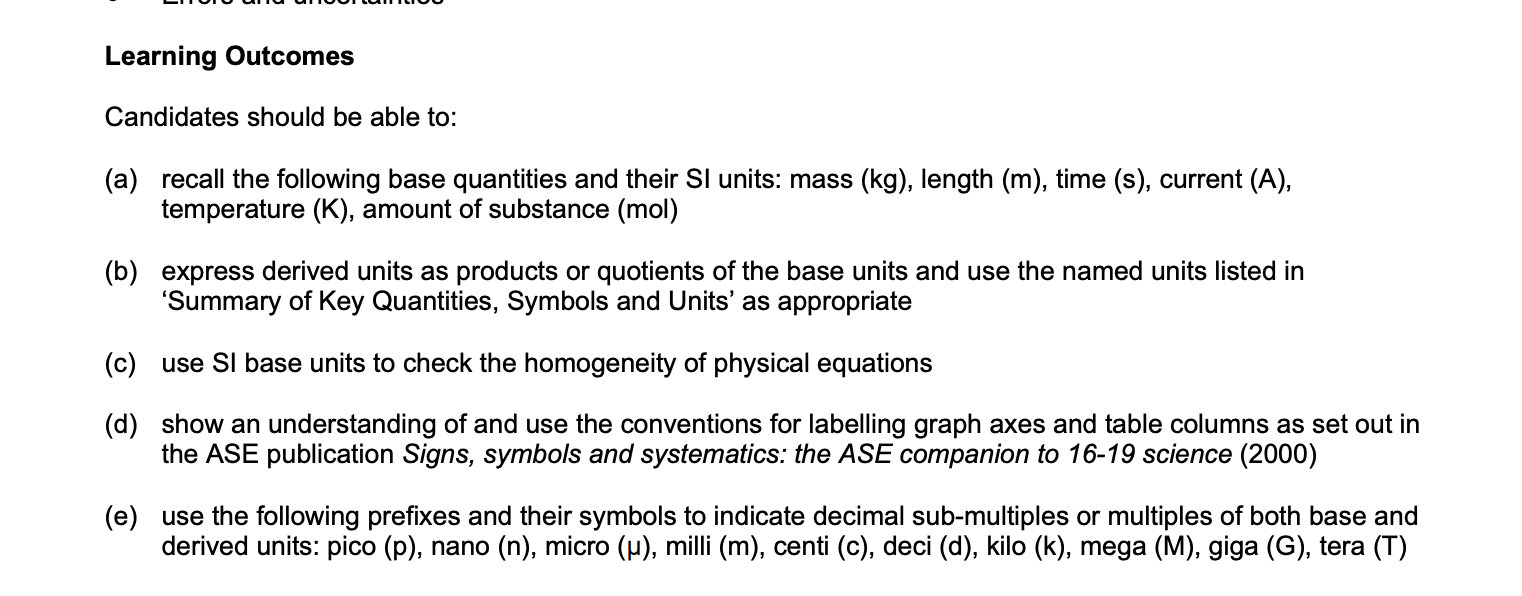
Physics Measurement
A Level Physics Syllabus H2 9478
This topic is often rushed through at the start of J1 because it appears basic. However, it underpins almost every part of H2 Physics.
Students commonly struggle with:
- Understanding absolute and percentage uncertainties
- Propagation of errors in calculations
- Interpreting gradients and intercepts with uncertainties
- Linking numerical uncertainty to physical conclusions
These skills are tested not only in multiple choice questions but also in data based questions and practical related reasoning. Weak foundations here often lead to avoidable mark loss across multiple papers.
Strong H2 Physics tuition places early emphasis on data handling, graphical interpretation, and clear scientific reasoning rather than treating this topic as a one off chapter.
2. Circular Motion and Gravitation
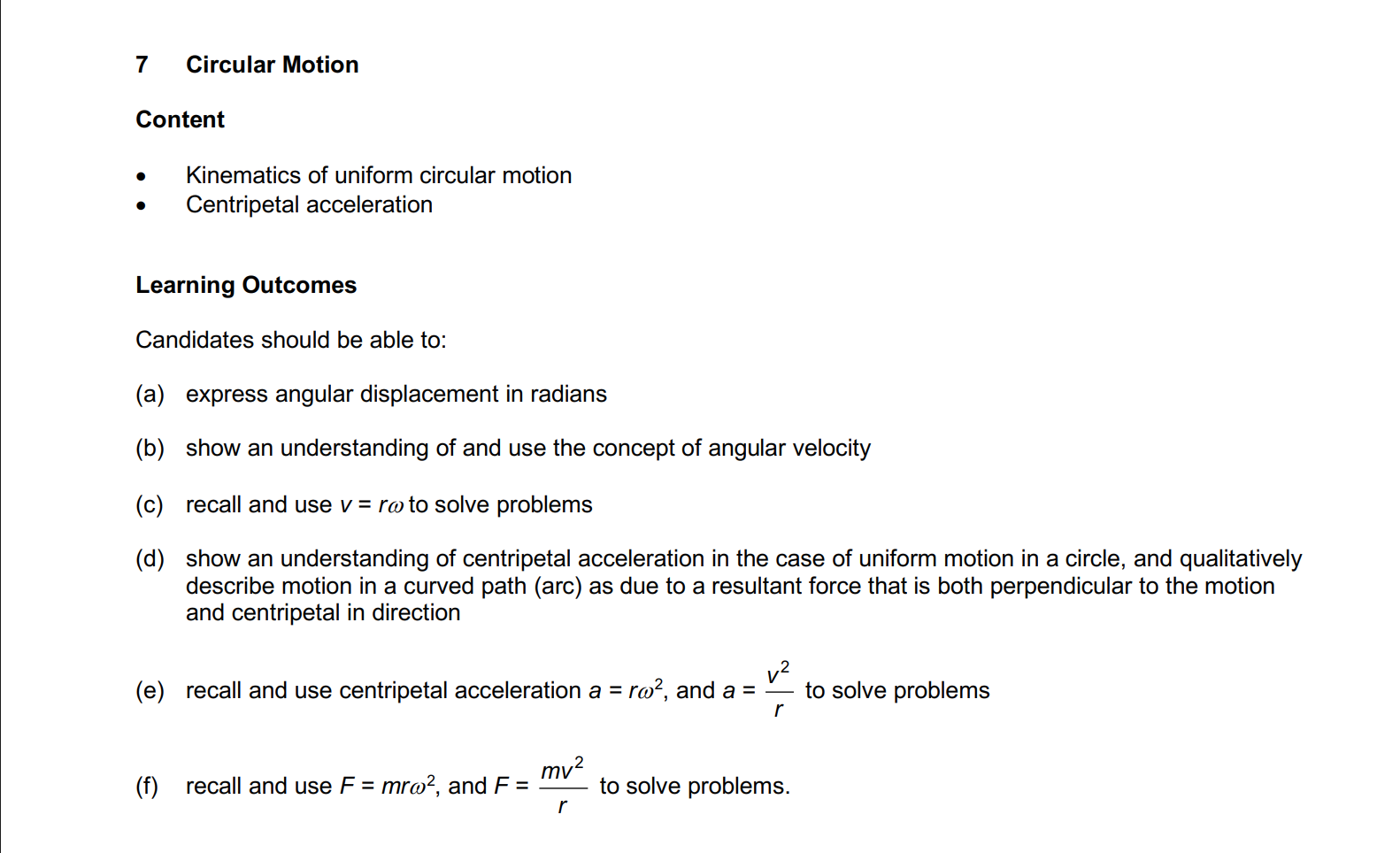
Circular motion 9748
Circular motion is one of the earliest topics that exposes gaps in conceptual understanding. Many students memorise centripetal force formulas without fully understanding direction, vector relationships, or physical meaning.
Because circular motion concepts reappear in later topics such as oscillations, early misunderstanding often snowballs into larger problems. This makes it a critical early focus area in H2 Physics tuition programmes.
3. Oscillations and Waves
Physics Oscillations 9748
Oscillations and waves are often underestimated because the equations appear manageable. In reality, exam questions frequently test conceptual depth rather than simple substitution.
Students struggle with:
- Phase relationships and physical interpretation
- Superposition and interference patterns
- Resonance conditions and explanations
- Translating wave diagrams into mathematical relationships
These topics also appear regularly in explanation based questions, where clarity of reasoning matters as much as calculations. Without early conceptual clarity, students tend to memorise patterns instead of understanding behaviour.
4. Electric Fields, Capacitance and Circuit Analysis
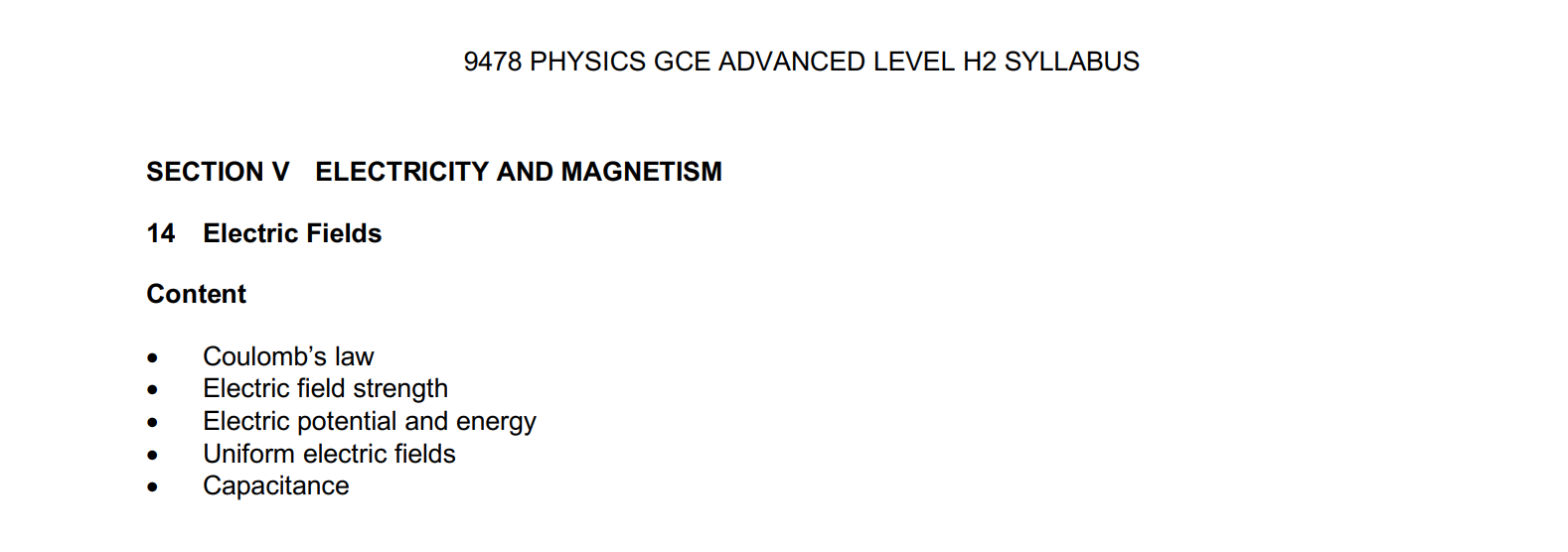
Physics ELECTRICITY 9748
Electricity topics move beyond simple DC circuits to electric field concepts, potential, capacitance and deeper circuit network problems.
These areas often blend conceptual understanding with mathematical reasoning. Without solid practice, students may struggle to interpret graphs, link field concepts to real contexts, or apply algebra fluently.
Investing time in these topics with targeted H2 physics tuition helps many students handle higher-order questions confidently in structured and longer paper sections.
5. Modern Physics and Nuclear Concepts
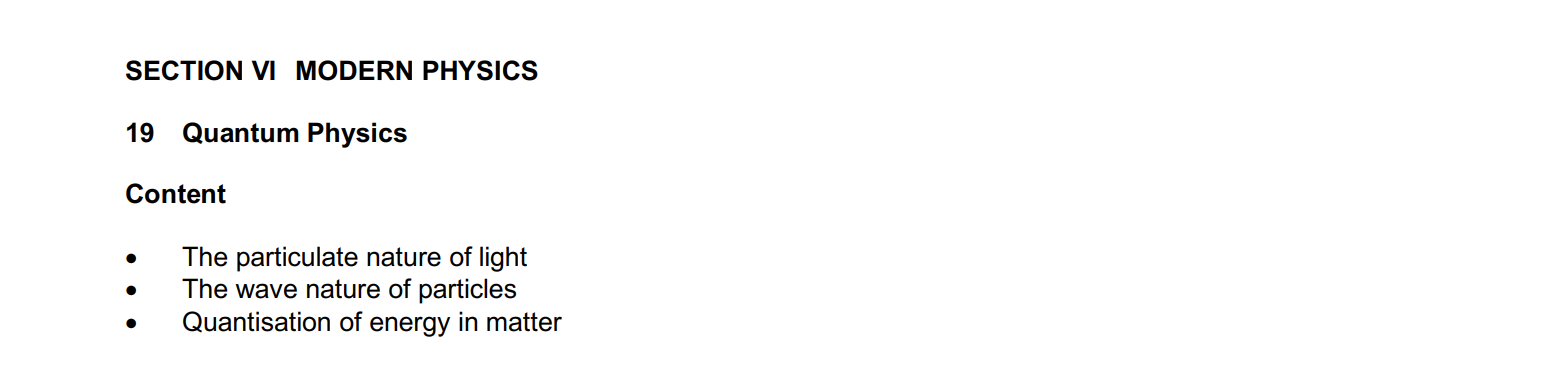
Modern Physics 9748
Modern physics topics such as the photoelectric effect, wave-particle duality and energy quantisation are sometimes treated as isolated theory chapters. This leads to surface-level understanding.
Students often struggle with:
- Explaining experimental observations clearly
- Interpreting graphs related to the photoelectric effect
- Understanding the physical meaning behind quantisation
- Applying modern physics concepts in novel contexts
Despite appearing straightforward, these topics test conceptual reasoning and interpretation more than memorisation.
Why Early Focus Matters in H2 Physics
H2 Physics is cumulative by nature. Weak foundations in early topics affect performance in later chapters and exam application questions. Students who delay fixing misconceptions often find themselves overwhelmed in J2 when content load increases.
Effective H2 Physics tuition focuses on:
- Building conceptual clarity early
- Strengthening data interpretation and explanation skills
- Addressing misunderstandings before they become habits
- Training students to think like examiners
By identifying and addressing underestimated topics early, students gain confidence, improve consistency, and reduce unnecessary stress closer to examinations.
How PivotPhysics Supports H2 Physics Students
At PivotPhysics, H2 Physics tuition is structured to reflect the current syllabus demands and examination expectations. Lessons emphasise understanding before speed, explanation before memorisation, and application before repetition.
Students receive targeted support in early foundational topics, guided practice in exam style questions, and clear feedback to help them close gaps before they escalate. This structured approach allows students to cope better with the increasing demands of H2 Physics and perform more reliably across assessments.
Excel in Physics with PivotPhysics Tuition
PivotPhysics offers specialised Physics tuition for O-Level, A-Level H1/H2, and IP Physics students in Singapore.
With a proven track record, our lessons combine clear concept teaching, real-life applications, and exam-focused techniques to build a strong foundation and boost confidence in Physics.We also provide Physics Practical Lab Coaching aligned with SEAB standards to help students excel in their Paper 3 components.
👉 Contact us today to find out how PivotPhysics can support you or your child in achieving excellence in O-Level, A-Level, or IP Physics.Excel in Physics with PivotPhysics Tuition