The physics practical exam is more predictable than most students realise. The structure does not change dramatically from year to year. The experiments draw from a known pool. The marking criteria are consistent. Yet students who are strong in theory continue to underperform here, not because they lack knowledge, but because they have never been shown exactly what to build.
There are four skills that decide your physics practical grade. All four are trainable. Here is how to develop each one before exam day.
1. Apparatus Familiarity
The first mark-scoring opportunity in any O-level or A-level Physics Practical begins before you write a single number. It begins when you pick up the equipment.
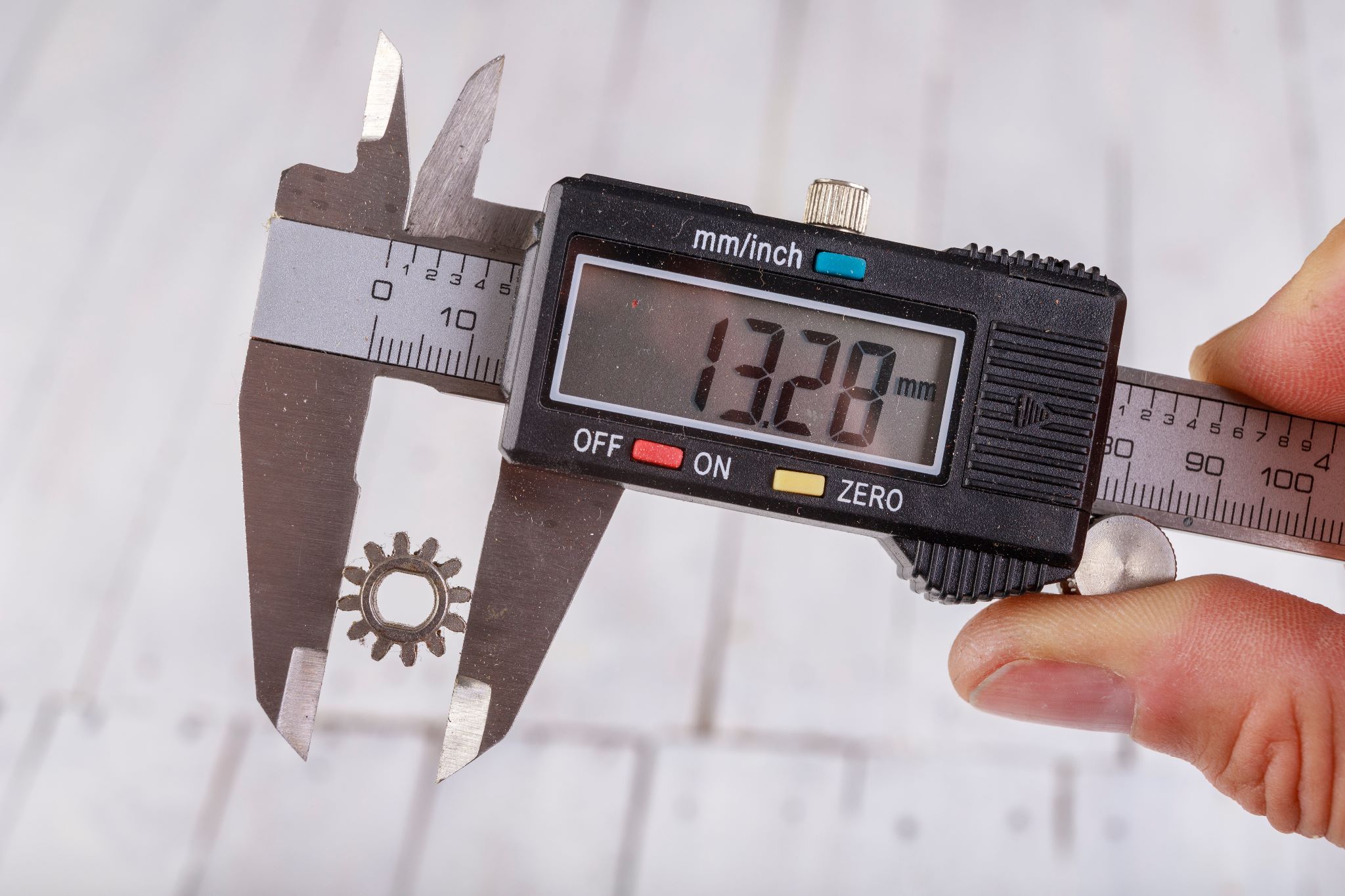
Apparatus familiarity is the ability to set up, calibrate, and use laboratory instruments correctly and quickly. Ammeters, voltmeters, metre rules, lenses, newton meters: students who have handled them repeatedly make fewer setup errors and leave more time for the rest of the paper.
Reading about instruments is not the same as using them. The tip to build this skill is through repeated hands-on practice with actual equipment under conditions that replicate the practical exam in the physics lab. Each time you set up independently, the process becomes faster and more automatic.
2. Data Handling
Most students understand in theory how to plot a graph. What the exam rewards is whether you can do it accurately under time pressure with data you have just collected yourself.
Tips for A- and O-level practical exams almost always point here: choose your scales carefully, draw your line of best fit with intention, calculate the gradient correctly, and account for percentage uncertainty where required. Understanding what the numbers mean, not just how to plot them, is what separates students who score well in this section from those who lose easy marks.
To build this skill, practise graph work from scratch using your own collected data and commit to every decision before checking any worked example.
3. Error Analysis
Knowing the difference between random and systematic errors in a textbook is very different from applying that knowledge to the specific setup in front of you under exam conditions.
This is one area where most A-level physics practical tips fall short.Examiners are not looking for a generic list of errors. They want you to identify sources of error specific to the apparatus, the method, and the conditions of that particular experiment, then justify the precautions you took.
Build this skill by writing out at least three setup-specific sources of error after every practice session, before reviewing any notes or model answers.
4. Procedural Judgement
Procedural judgement is the ability to make real-time decisions when something does not go as expected: when readings fluctuate, a setup produces inconsistent data, or when results do not match theory.
This skill only grows through experience. In every physics practical class, unexpected results are an opportunity, not a setback. The discomfort of troubleshooting under time pressure during practice is exactly what builds the composure you need when it counts most.
Why All Four Have to Be Built Together
Each skill matters on its own, but in the exam they compound. Apparatus confidence means nothing if your data handling is weak. Strong error analysis cannot save you if setup errors have already cost you time you cannot recover. The four skills work as a system, and that system only becomes reliable when it is practised as one.
The most effective physics practical tuition builds all four together, covering both pure physics practical and combined science experiments under timed, exam-style conditions. That is what turns individual understanding into consistent performance.
Put the Skills Into Practice
Pivot Physics’ practical sessions are designed to build all four skills through real equipment, low teacher-to-student ratios, and exam-aligned sessions at both O- and A-Level. When students walk into their physics practical exam, the goal is simple: it should feel familiar, not foreign.
Find out more about our O-level physics tuition and JC physics tuition programmes in Singapore, or reach out to us directly about our physics practical lessons.