Electricity is one of the most important topics in O-Level Physics. It appears consistently in structured questions, data-based questions, and sometimes practical reasoning.
Many students find it challenging not because the formulas are difficult, but because the concepts are often misunderstood or applied mechanically.
This guide explains what students need to understand, where mistakes usually happen, and how to study electricity effectively for the O-Level examination.
Why Electricity Matters in O-Level Physics

O Level Physics electricity voltage and current testing kit
Electricity tests whether students can
1. Interpret circuit diagrams correctly
2. Apply relationships between physical quantities
3. Explain observations using scientific reasoning
4. Combine multiple concepts in a single question
Core Concepts Students Must Master

Electricity 6092 syllabus
Common Terms used in Electricity
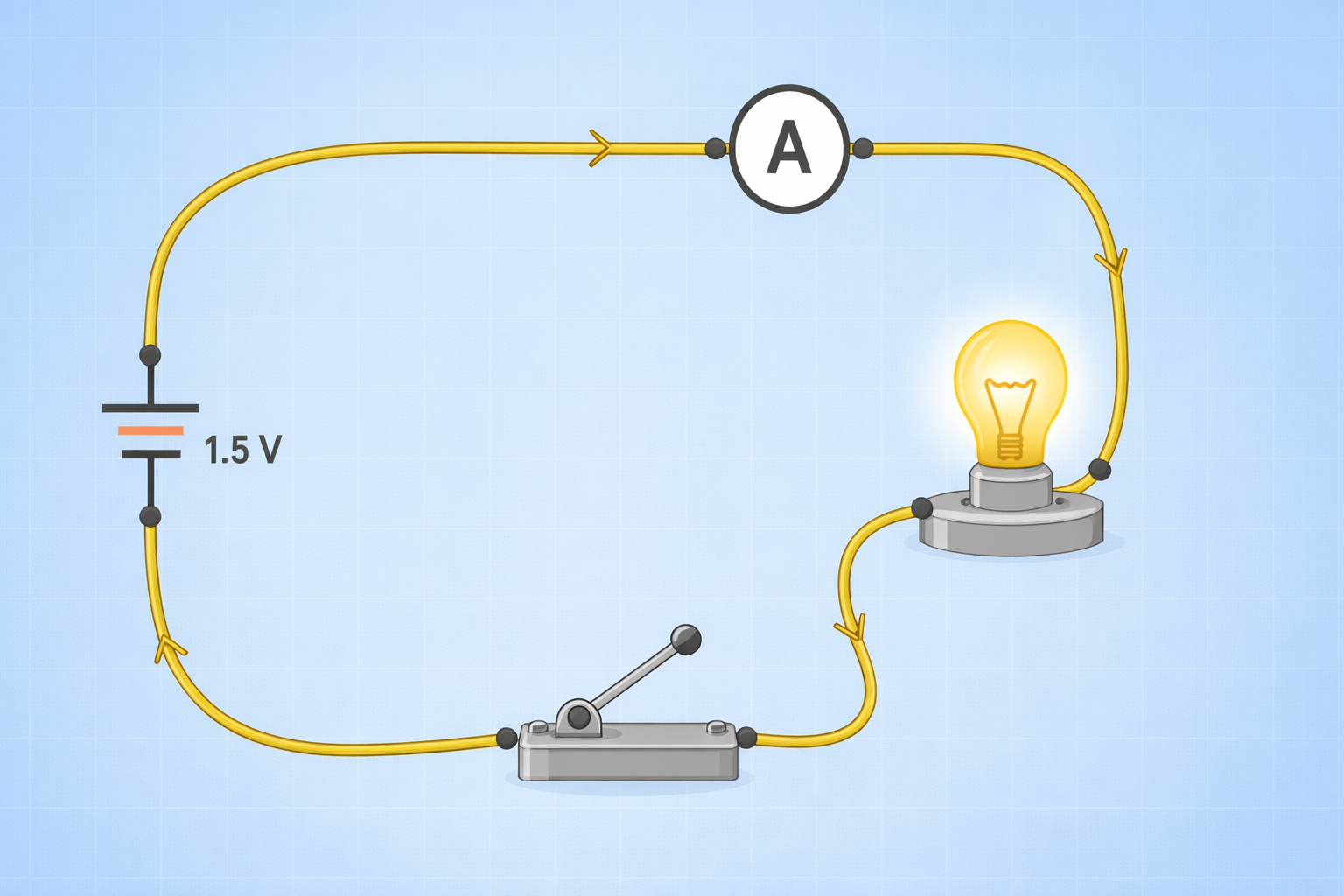
Electricity Circuit
Electric Current: Electric current is the rate of flow of electric charge.
Key points students should understand:
- In a series circuit, current is the same at all points
- In a parallel circuit, current splits.
Potential Difference (Voltage)
Potential difference is the energy transferred per unit charge.
Voltage is measured across components, not through them
- In series circuits, voltage is shared
- In parallel circuits, voltage across each branch is the same
Students often lose marks by placing voltmeters incorrectly in diagrams or explanations.
Resistance
Resistance controls how much current flows for a given voltage.
Students should know:
- Resistance depends on material, length, thickness, and temperature
- A higher resistance means less current for the same voltage
- Resistance is measured in ohms (Ω)
Questions frequently ask students to explain changes in brightness or current using resistance, not just calculate values.
Ohm’s Law
Ohm’s Law links voltage, current, and resistance.
V = IR
What examiners look for:
- Correct rearrangement of the formula
- Proper substitution with units
- Logical explanation of proportional relationships
Many students can use the formula but struggle to explain why current increases when voltage increases, which costs explanation marks.
Series and Parallel Circuits
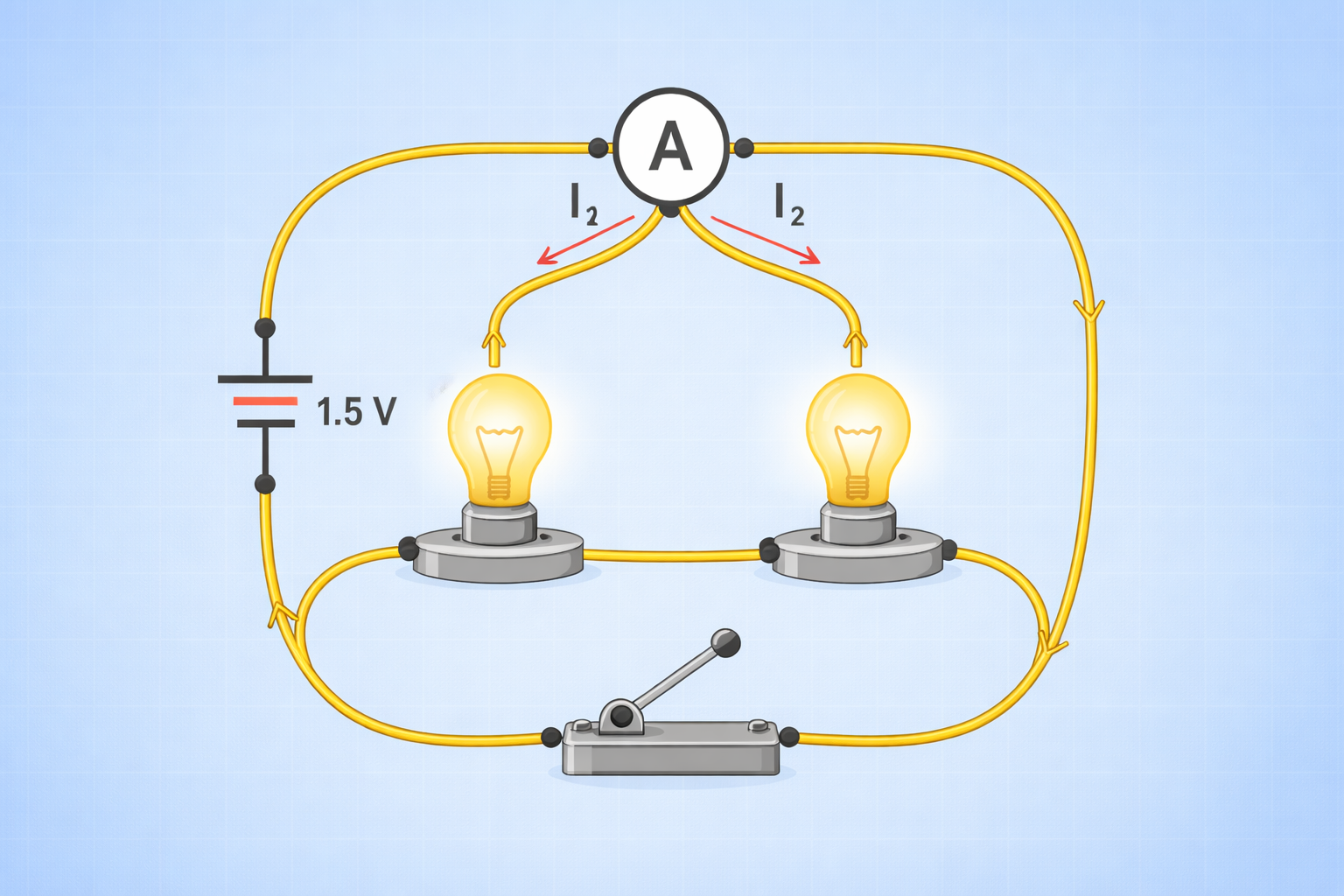
Electricity Parallel Circuit
This is one of the most tested areas.
Students should be confident with:
- Comparing current and voltage in series vs parallel circuits
- Predicting changes when a component is added or removed
- Explaining why bulbs change brightness
Electrical Power and Energy
Power shows how fast electrical energy is converted.
Key relationships:
- Power = Voltage × Current
- Electrical energy depends on power and time
Excel in Physics with PivotPhysics Tuition
PivotPhysics offers specialised Physics tuition for O-Level, A-Level H1/H2, and IP Physics students in Singapore.
With a proven track record, our lessons combine clear concept teaching, real-life applications, and exam-focused techniques to build a strong foundation and boost confidence in Physics.We also provide Physics Practical Lab Coaching aligned with SEAB standards to help students excel in their Paper 3 components.
👉 Contact us today to find out how PivotPhysics can support you or your child in achieving excellence in O-Level, A-Level, or IP Physics.